
Where Asbestos Was Commonly Found
Educational information about materials and environments where asbestos-containing materials were historically used.
Pipe Insulation and Mechanical Systems
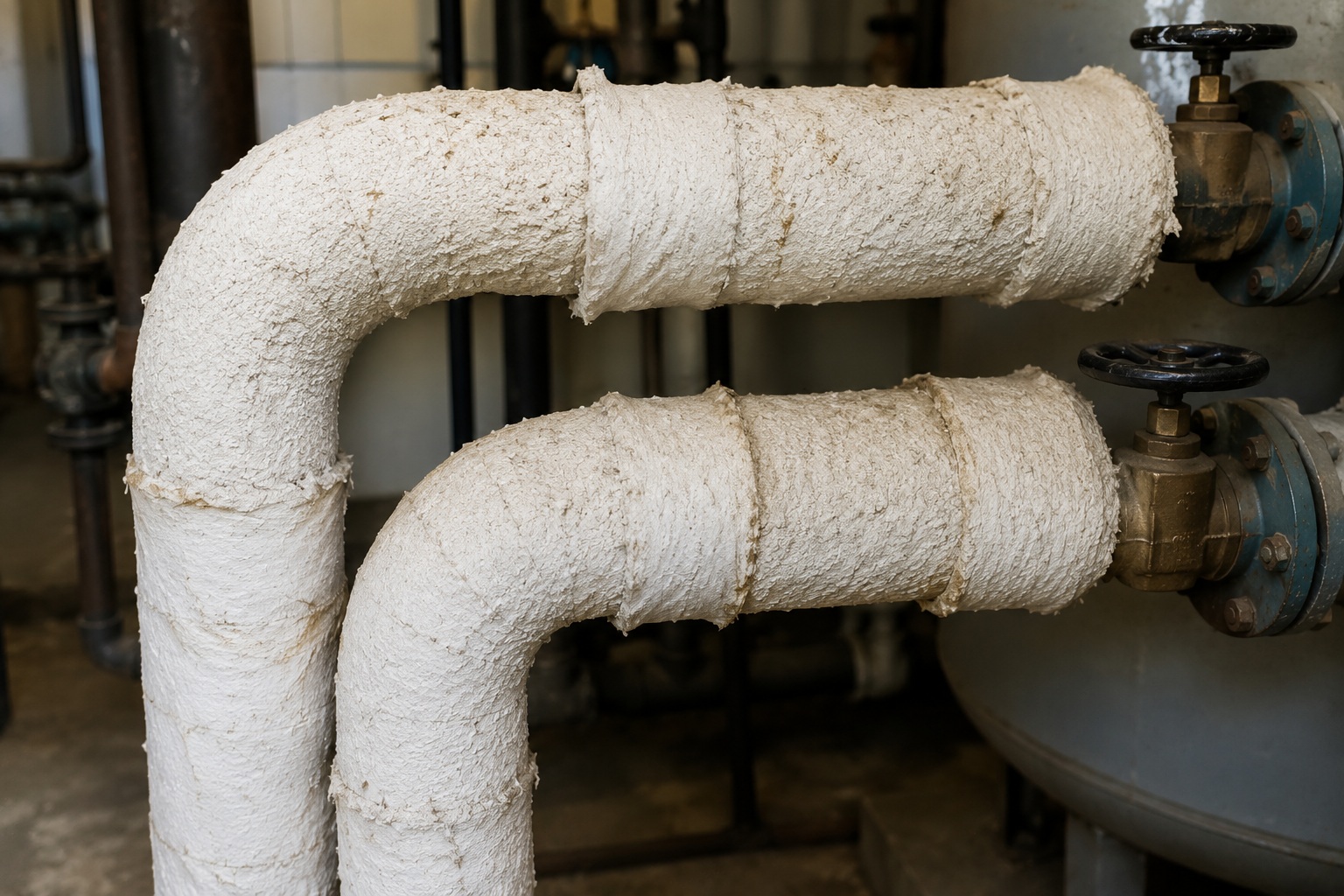
Pipe insulation was one of the most common asbestos-containing materials encountered in older buildings and industrial facilities. Mechanical rooms, utility tunnels, hospitals, schools, factories, and power-related facilities often contained insulated piping systems designed to retain heat and protect nearby building components.
Asbestos was commonly used in thermal system insulation because it resisted heat and provided strength. Pipe elbows, fittings, valves, and straight runs of insulation were common locations where asbestos-containing materials could be present.
Vinyl Floor Tile and Black Mastic Adhesive
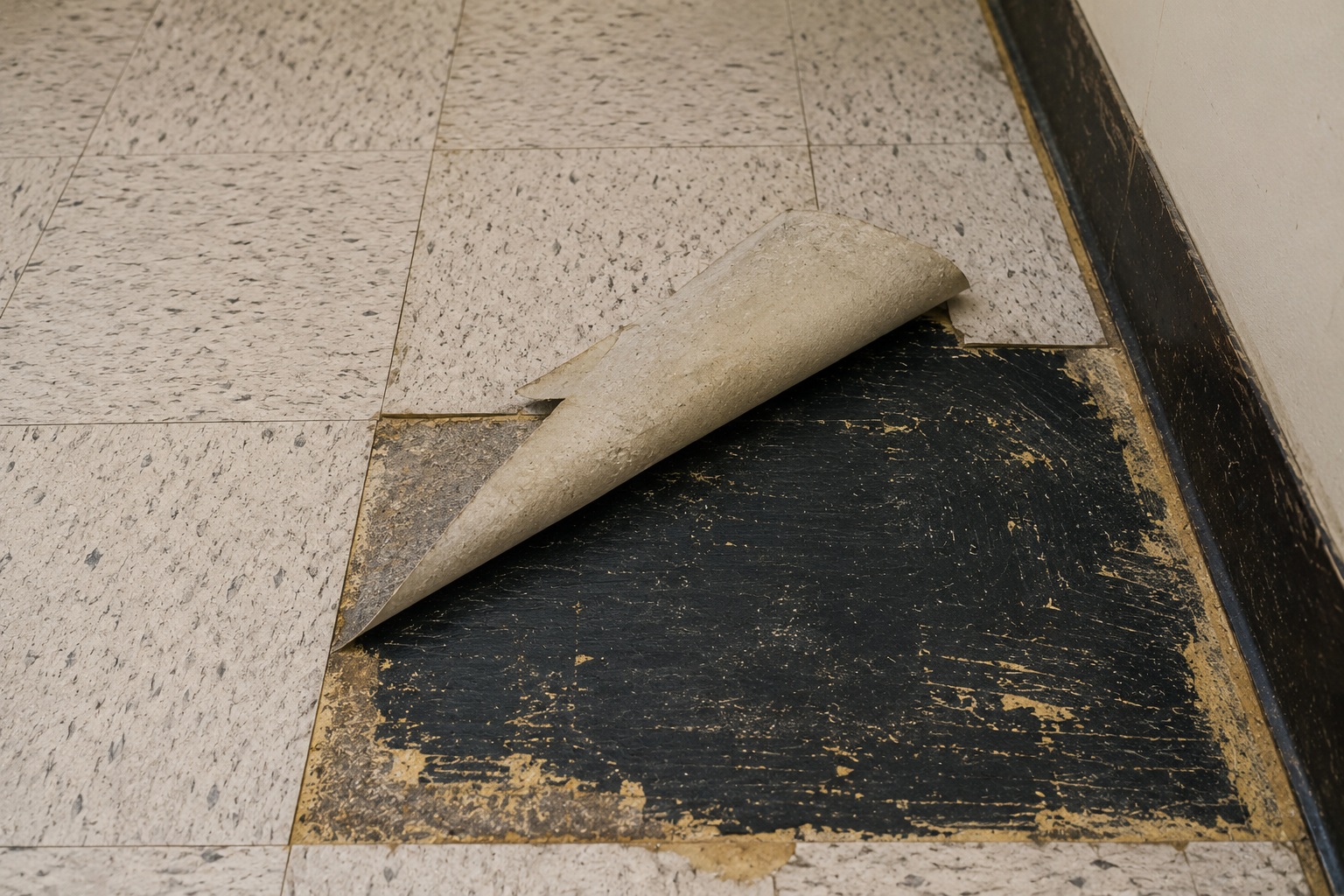
Vinyl floor tile and black mastic adhesive were widely used in schools, commercial buildings, hospitals, offices, public buildings, and older homes. Certain 9-inch, 12-inch, and other resilient floor tiles historically contained asbestos.
The adhesive beneath the tile, often called mastic, could also contain asbestos. These materials may remain relatively stable when intact, but removal, sanding, grinding, or demolition work can create potential exposure concerns.
Boilers, Furnaces, and High-Temperature Equipment
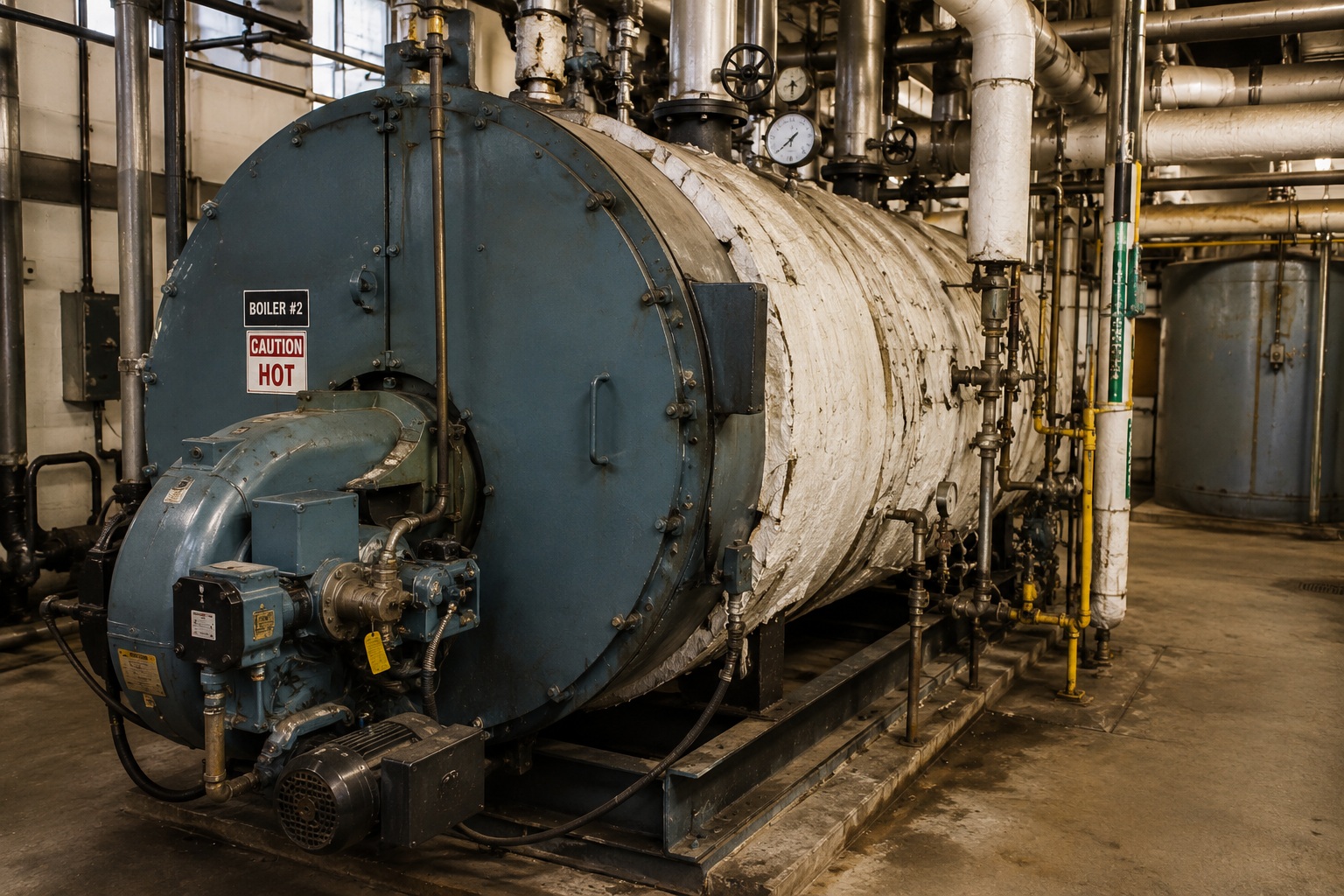
Boilers, furnaces, steam systems, and high-temperature mechanical equipment frequently used asbestos insulation. These systems were especially common in schools, hospitals, manufacturing plants, industrial facilities, and large commercial buildings.
Asbestos-containing insulation was often located on boiler jackets, breeching, ducts, piping, tanks, valves, and related mechanical components.
Transite Panels and Cement-Based Products
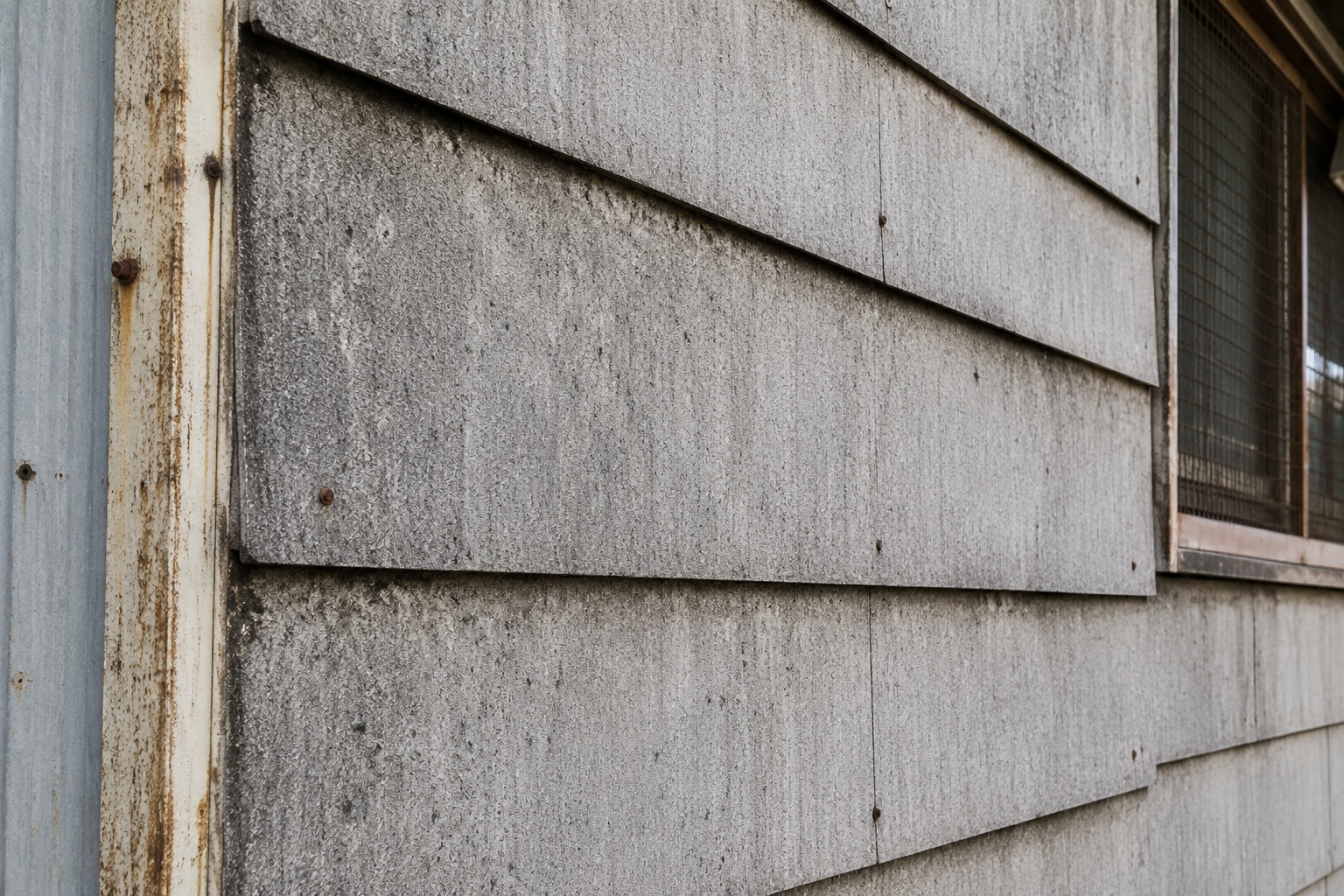
Transite was a cement-based material commonly reinforced with asbestos fibers. It was used for wall panels, siding, roofing, pipes, ducts, and other industrial or commercial applications.
Transite products were valued because they were durable, fire-resistant, and suitable for harsh environments. However, cutting, drilling, breaking, or removing transite products could potentially release asbestos fibers.
Ceiling Texture and Sprayed Materials
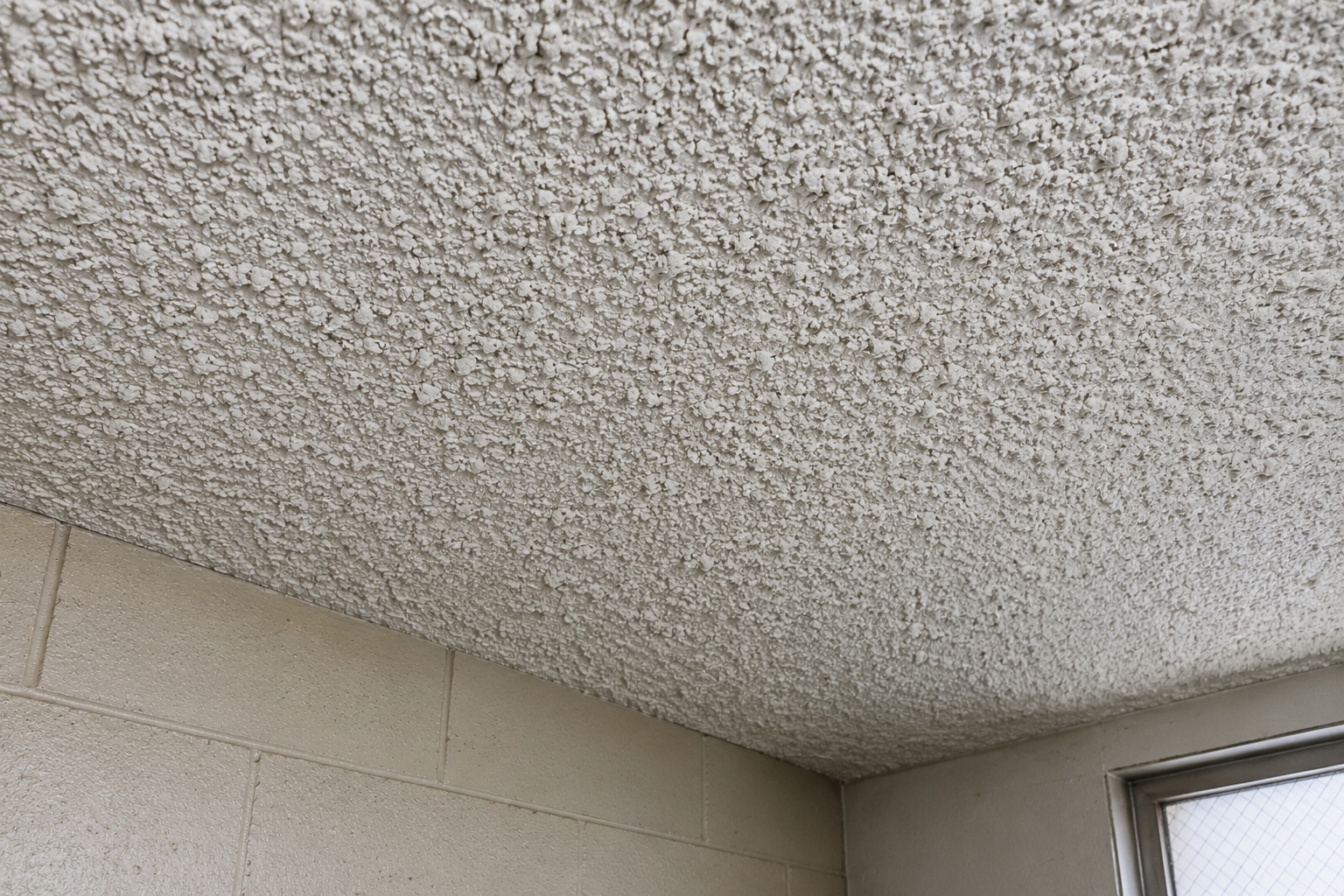
Certain textured ceiling materials, sprayed-on fireproofing, and acoustical products historically contained asbestos. These products were used in homes, schools, offices, apartment buildings, and commercial properties.
Visual appearance alone is not enough to determine whether a ceiling texture contains asbestos. Testing by a qualified laboratory is typically required.
Industrial Settings and Occupational Exposure
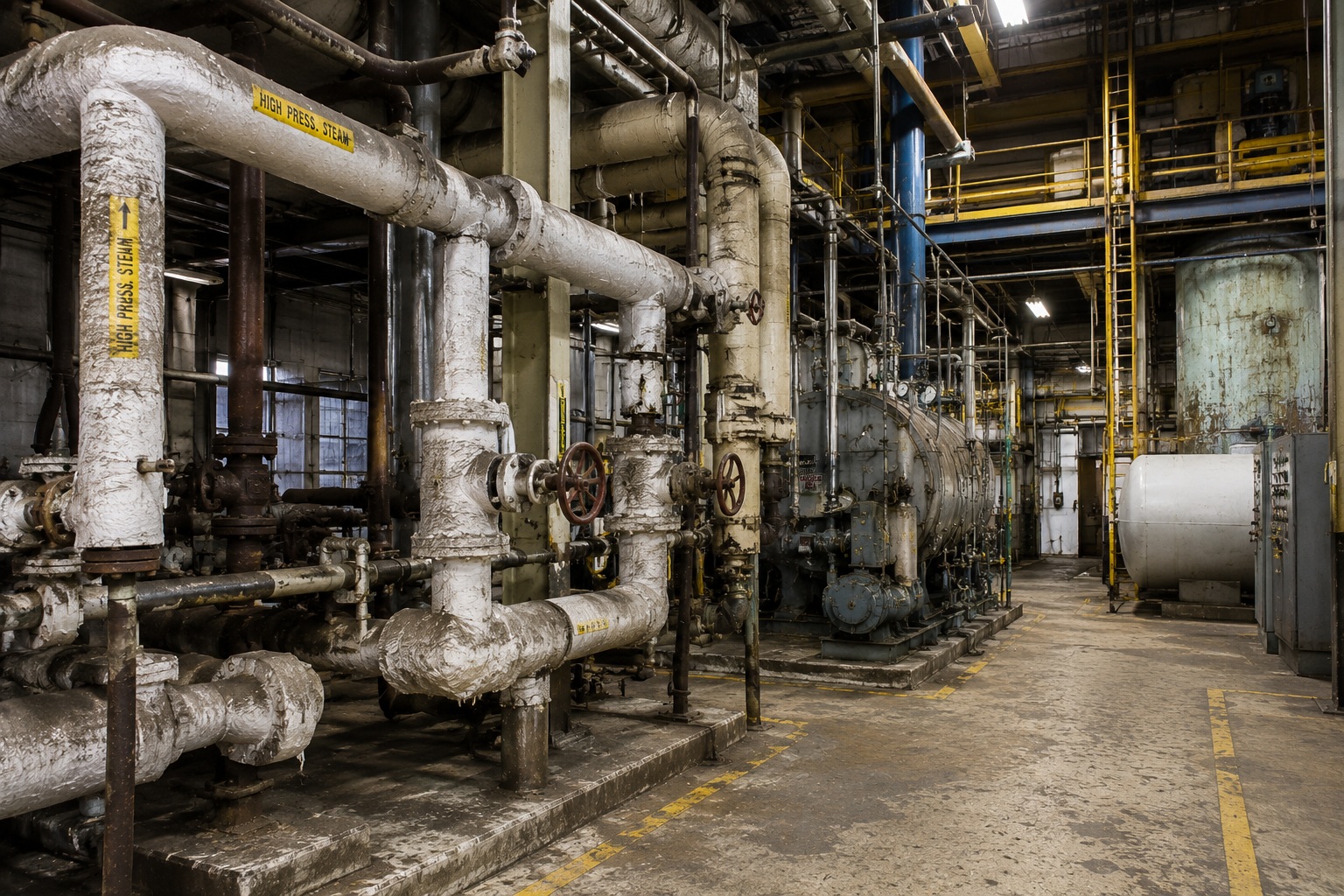
Industrial settings historically presented some of the highest potential exposure environments because asbestos was widely used around steam systems, high-temperature equipment, machinery, insulation, gaskets, packing materials, and fireproofing.
Workers who may have encountered asbestos-containing materials included maintenance personnel, insulators, pipefitters, boiler workers, electricians, mechanics, construction workers, demolition crews, and facility managers.
Common Misunderstandings About Asbestos
- Not all older materials automatically contain asbestos.
- Visual identification alone is unreliable.
- Proper sampling and laboratory analysis are usually required.
- Intact materials may present different concerns than damaged materials.
- Disturbing suspect materials can potentially release airborne fibers.
Why Testing Was Often Necessary
Many asbestos-containing materials look similar to non-asbestos materials. Because visual identification is unreliable, asbestos inspections typically involved collecting representative samples and submitting them to a qualified laboratory for analysis.
In professional asbestos work, methods such as PLM bulk analysis and PCM air sampling were commonly used to evaluate materials and airborne fiber levels. These methods helped support inspection reports, AHERA management plans, abatement project monitoring, and clearance decisions.