New York asbestos exposure education
Understanding Asbestos Exposure Risks in New York
New York has a long asbestos exposure history involving shipyards, maritime work, power generation, subway and rail maintenance, construction, demolition, schools, hospitals, public buildings, manufacturing, and older commercial buildings.
New York asbestos education resource
This page is a plain-English educational guide for understanding where asbestos exposure may have occurred in New York and why older shipyards, power plants, subway facilities, industrial buildings, schools, hospitals, apartments, and commercial structures may be important to a person’s exposure history.
Asbestos-related diseases often develop decades after exposure. New York exposure history may involve jobs in maritime work, utility plants, rail and subway maintenance, public building maintenance, construction, demolition, manufacturing, or take-home exposure from a family member’s dusty work clothing.
Where asbestos exposure may have occurred in New York
New York’s dense urban development, harbor activity, transit systems, power plants, universities, hospitals, public buildings, and older industrial base make it an important state to review when learning about asbestos exposure. For much of the twentieth century, asbestos-containing materials were widely used because they resisted heat, fire, friction, chemical damage, and electrical hazards.
Common New York exposure settings may include shipyards, maritime repair facilities, power plants, subway and rail maintenance shops, high-rise commercial buildings, schools, hospitals, universities, apartment buildings, public facilities, factories, paper mills, chemical plants, and construction or demolition projects.
Exposure may have occurred when asbestos-containing materials were installed, repaired, removed, cut, scraped, sanded, demolished, or disturbed during routine maintenance, renovation, demolition, equipment replacement, boiler work, pipe work, or transit maintenance.
Common New York industries historically associated with asbestos use
New York workers in maritime, power generation, transit, construction, demolition, public maintenance, manufacturing, chemical processing, paper production, and building trades may have encountered asbestos-containing products. The level of concern depends on the time period, material condition, job duties, ventilation, and whether dust controls were used.
Shipyards, Navy facilities, and maritime exposure
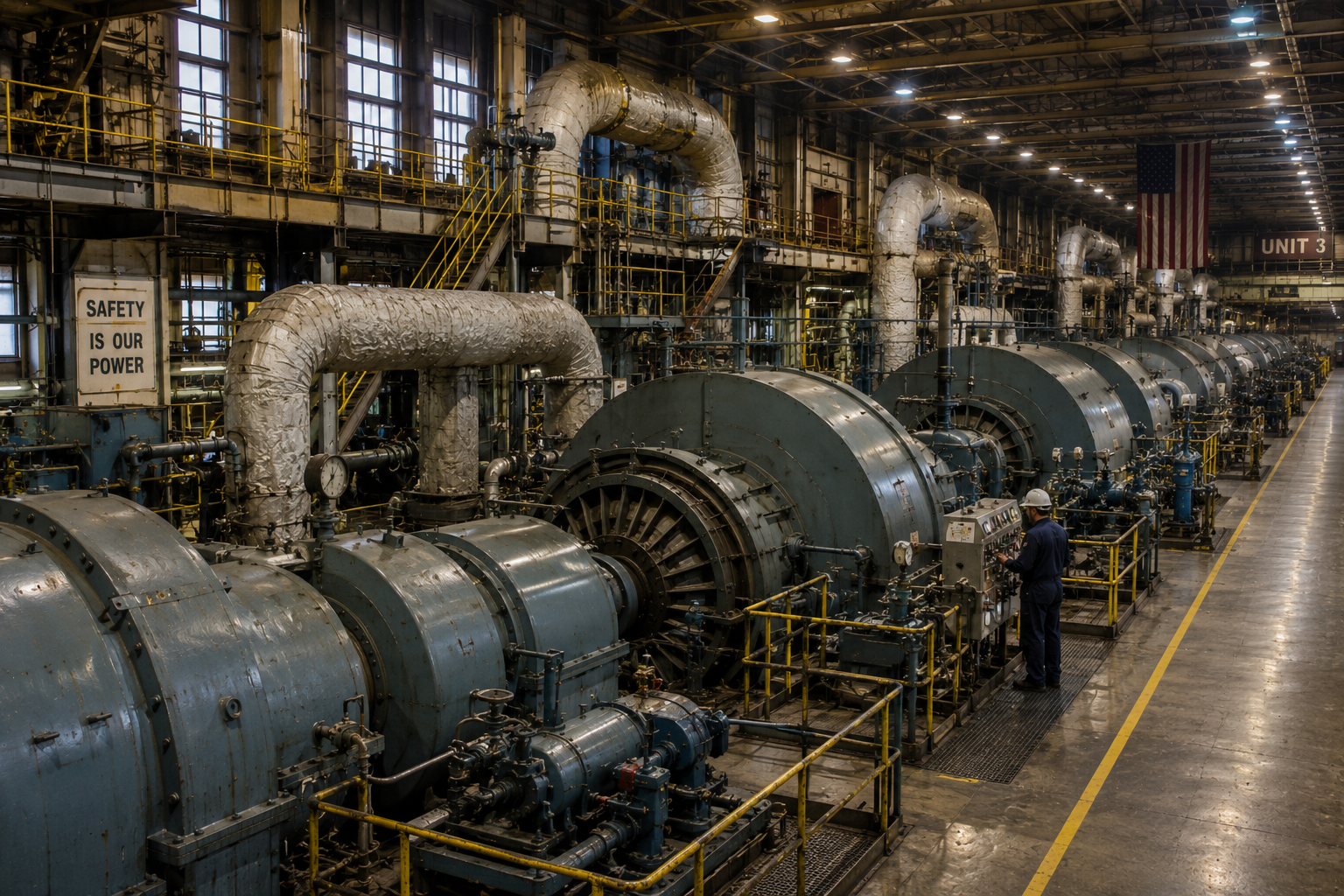
New York’s harbor supported major maritime activity, commercial shipping, repair operations, and naval-related work. Shipbuilding and ship repair were historically associated with extensive asbestos use because ships required heat protection, fire resistance, and insulation in confined mechanical areas.
Exposure histories may include Brooklyn Navy Yard, New York Harbor facilities, Staten Island maritime work, repair docks, ferry systems, tugboat operations, and other commercial or public vessel maintenance. Workers who may have been affected include Navy personnel, machinists, pipefitters, insulators, electricians, welders, boilermakers, laborers, mechanics, and outside contractors.
Shipyard exposure did not always require direct handling of asbestos. A person working nearby could have inhaled dust when insulation was removed, cut, repaired, or disturbed by another trade in the same compartment or work area.
Construction, demolition, and renovation exposure
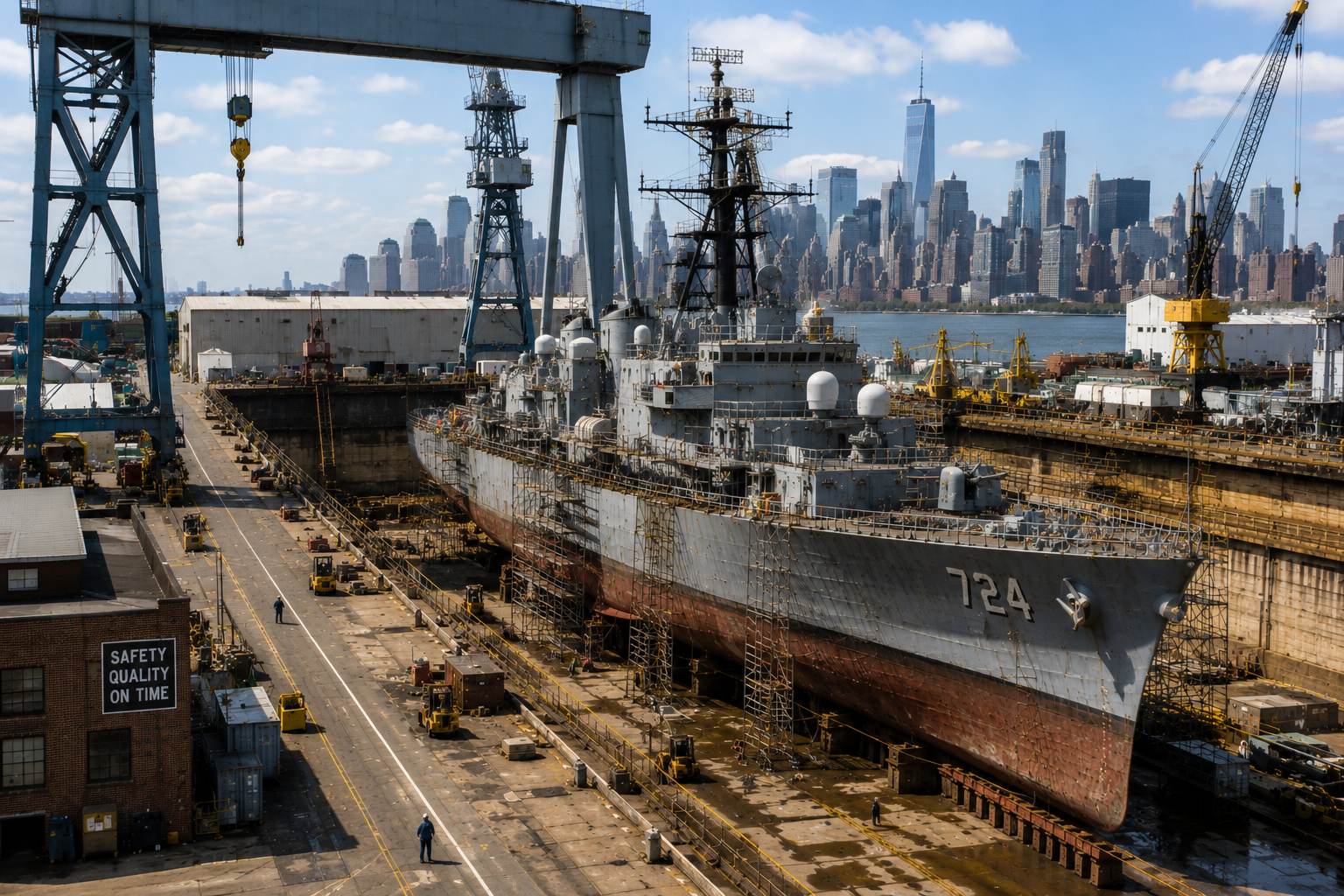
New York contains an enormous number of older residential, commercial, institutional, and public buildings. Asbestos-containing materials may be present in structures built before modern restrictions, including floor tile, sheet flooring, black mastic, drywall joint compound, ceiling texture, plaster, pipe insulation, boiler insulation, roofing, fireproofing, transite panels, and HVAC components.
Construction workers, demolition crews, electricians, plumbers, HVAC technicians, roofers, carpenters, laborers, maintenance workers, and remodelers may have encountered asbestos during renovation or demolition work. Exposure risk increases when materials are damaged or disturbed without proper identification, containment, wet methods, and regulatory controls.
Pipe insulation in older buildings and industrial sites
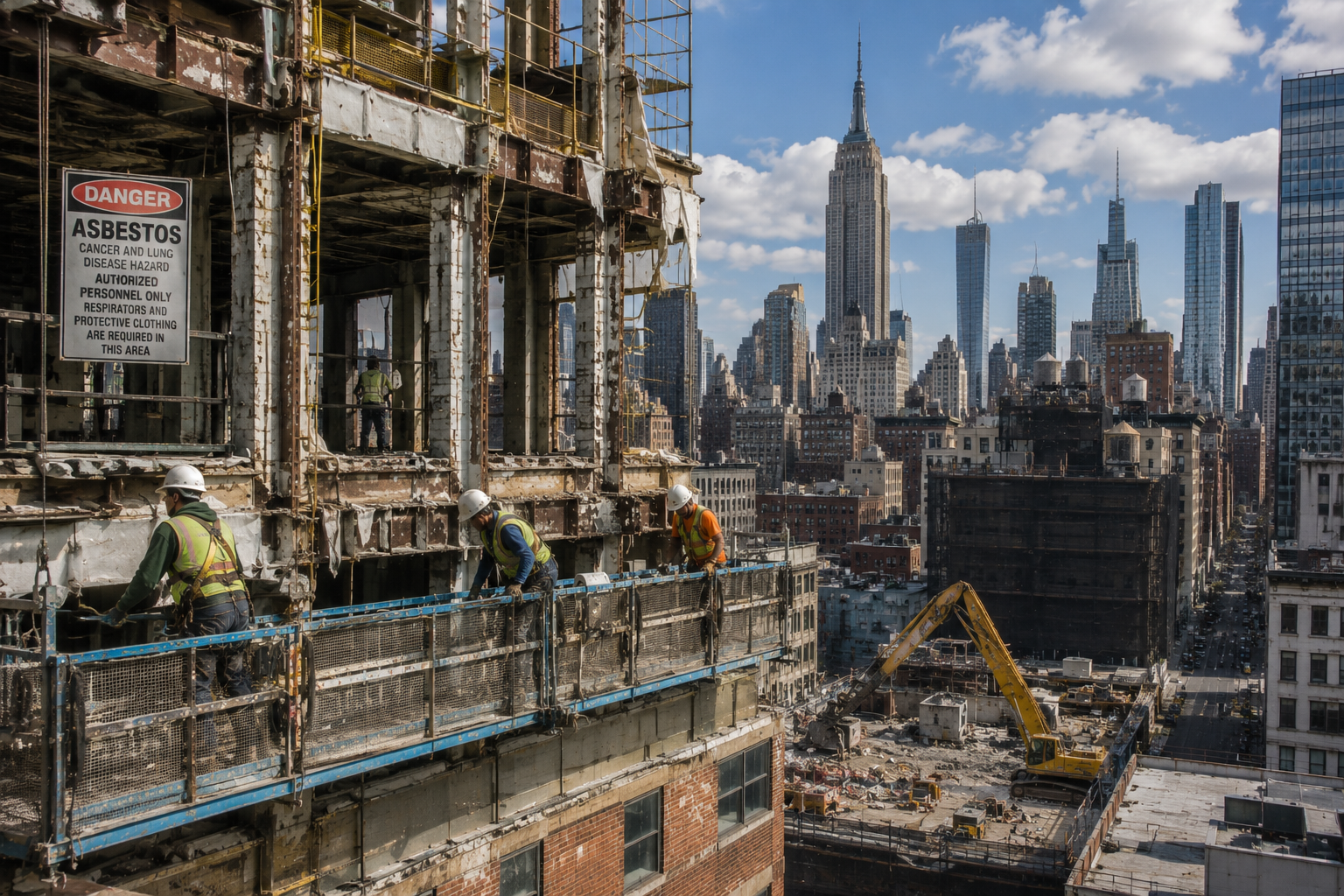
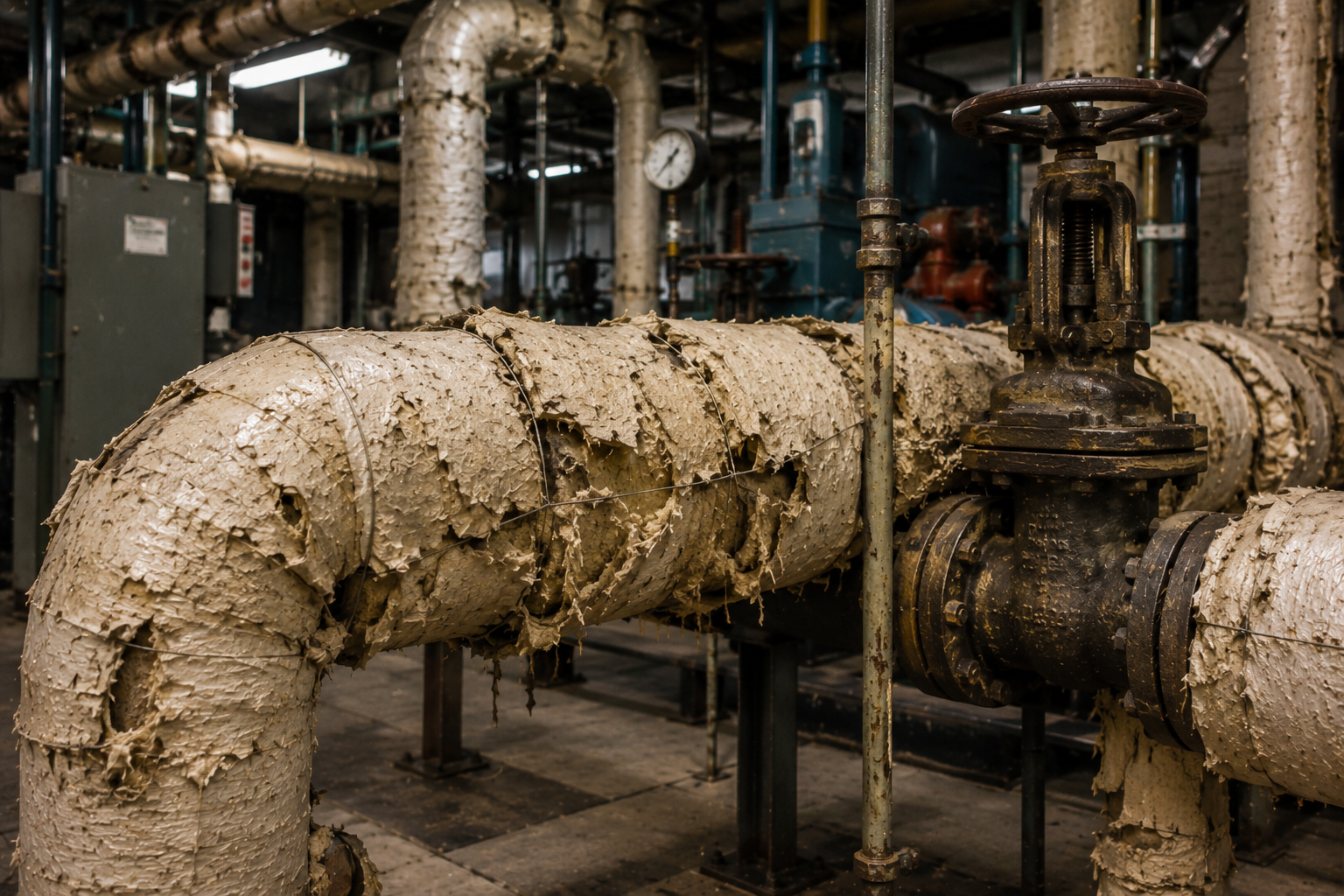
Pipe insulation is one of the most recognizable asbestos-related materials in older industrial and commercial buildings. Thermal insulation may have been applied to steam lines, condensate lines, hot-water lines, process piping, elbows, valves, tanks, boilers, and mechanical equipment.
When pipe insulation becomes damaged, deteriorated, cut, removed, or disturbed, fibers may become airborne. Pipe elbows, flanges, valves, and fittings are especially important because they are often handled during repairs and maintenance. In New York, these systems may have existed in power plants, subway facilities, schools, hospitals, universities, hotels, apartment buildings, factories, and public buildings.
Transit, rail, subway, and maintenance exposure
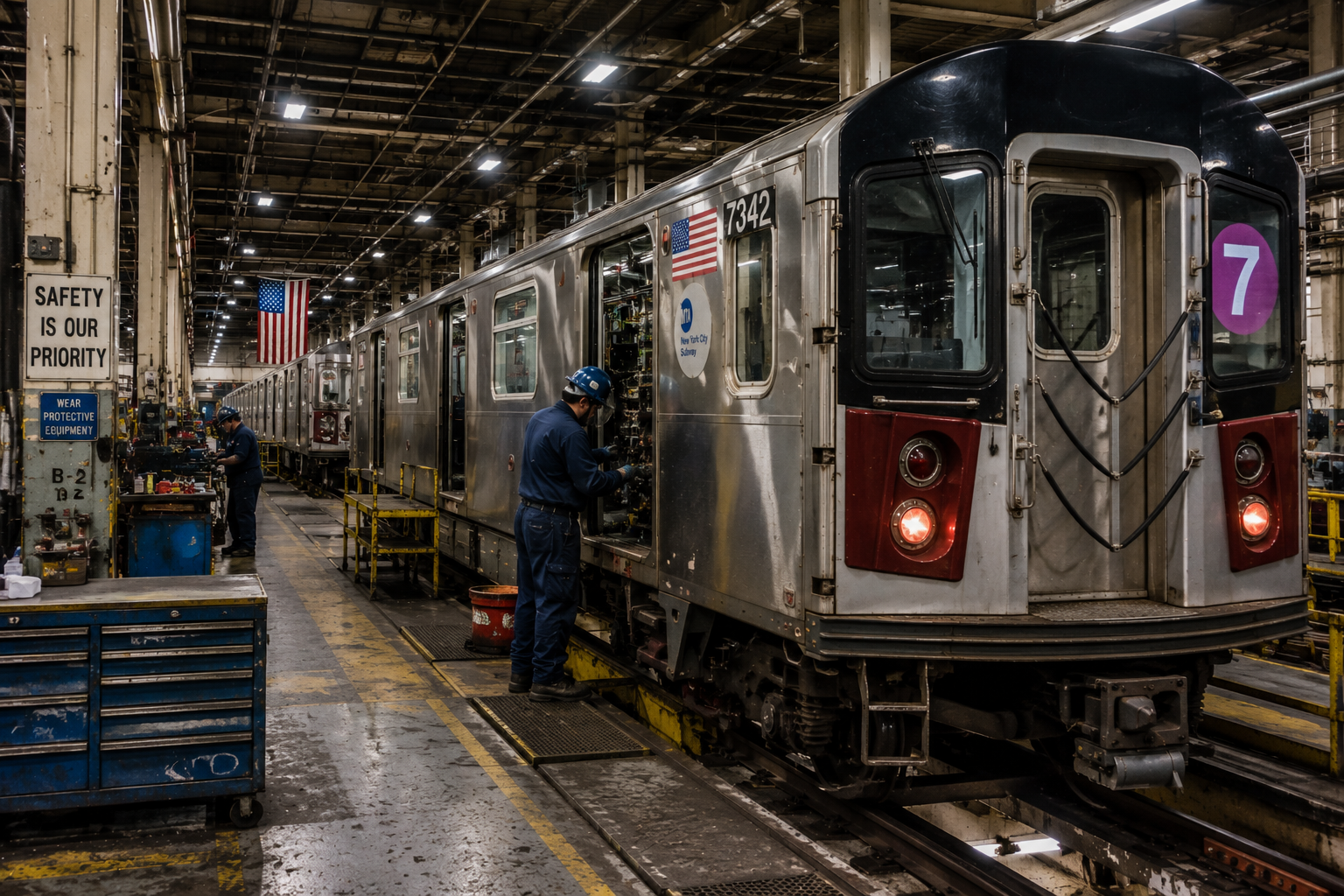
New York’s subway and rail systems required major maintenance operations involving rail cars, electrical systems, brake systems, mechanical equipment, tunnels, stations, and repair shops. Older transit facilities may have included asbestos-containing floor materials, insulation, electrical components, brake materials, pipe coverings, and building products.
Workers involved in subway maintenance, rail repair, electrical work, mechanical work, brake work, station renovation, tunnel maintenance, and public transit facility maintenance may have encountered asbestos-containing products or contaminated dust in older work environments.
Schools, hospitals, universities, and public buildings
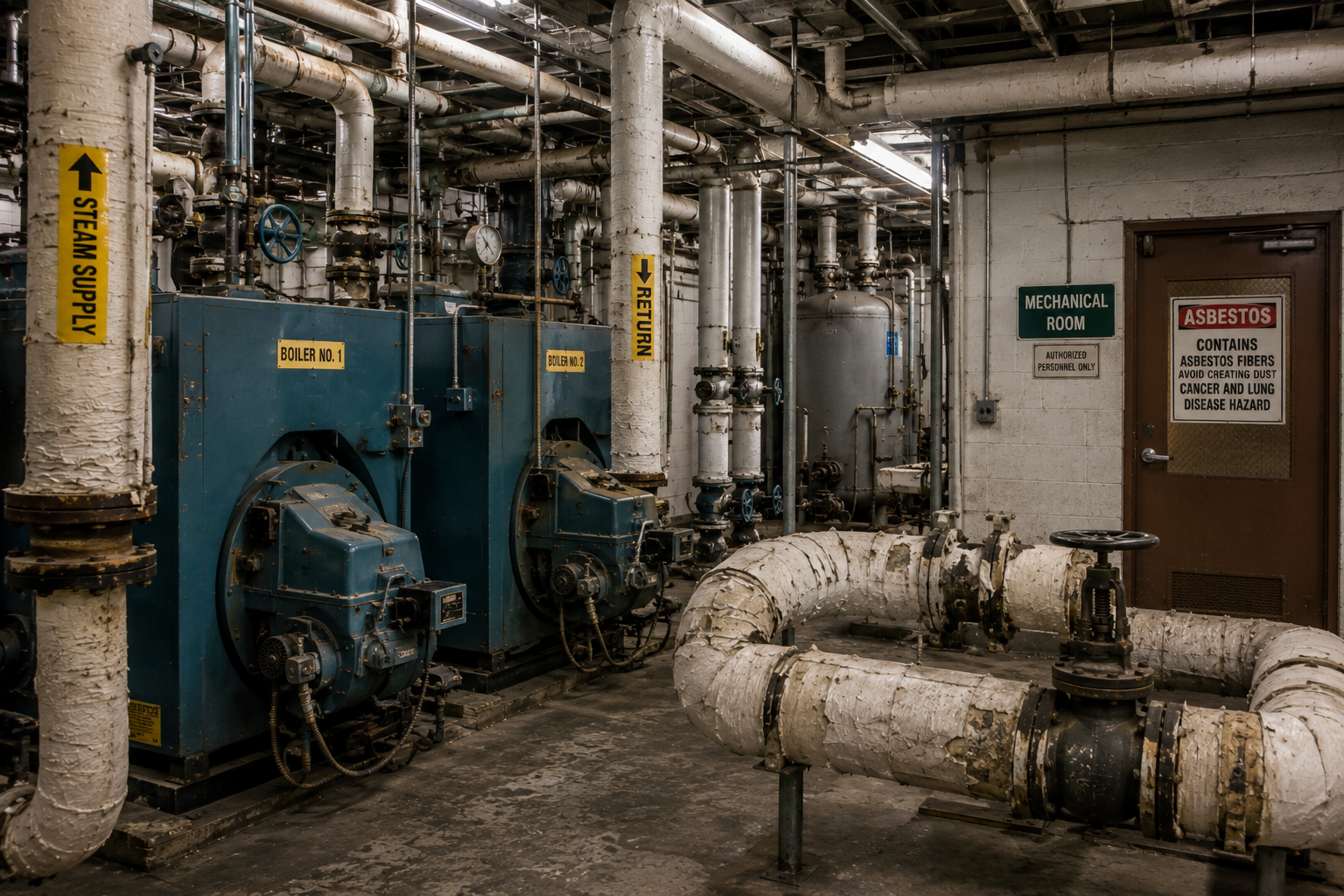
Older New York schools, universities, hospitals, courthouses, libraries, municipal buildings, and public facilities may have included asbestos-containing materials in floor tile, ceiling materials, pipe insulation, boiler rooms, mechanical rooms, fireproofing, roofing, and wall systems. Many of these materials are not a concern if intact and properly managed, but they become important when damaged, deteriorated, renovated, or removed.
Maintenance personnel, custodians, teachers, renovation workers, HVAC contractors, plumbers, electricians, and building inspectors may encounter hidden building materials during repairs. AHERA-style management principles emphasize identifying asbestos-containing building materials, monitoring condition, preventing disturbance, and using trained professionals for response actions.
Upstate manufacturing, chemical plants, paper mills, and factories
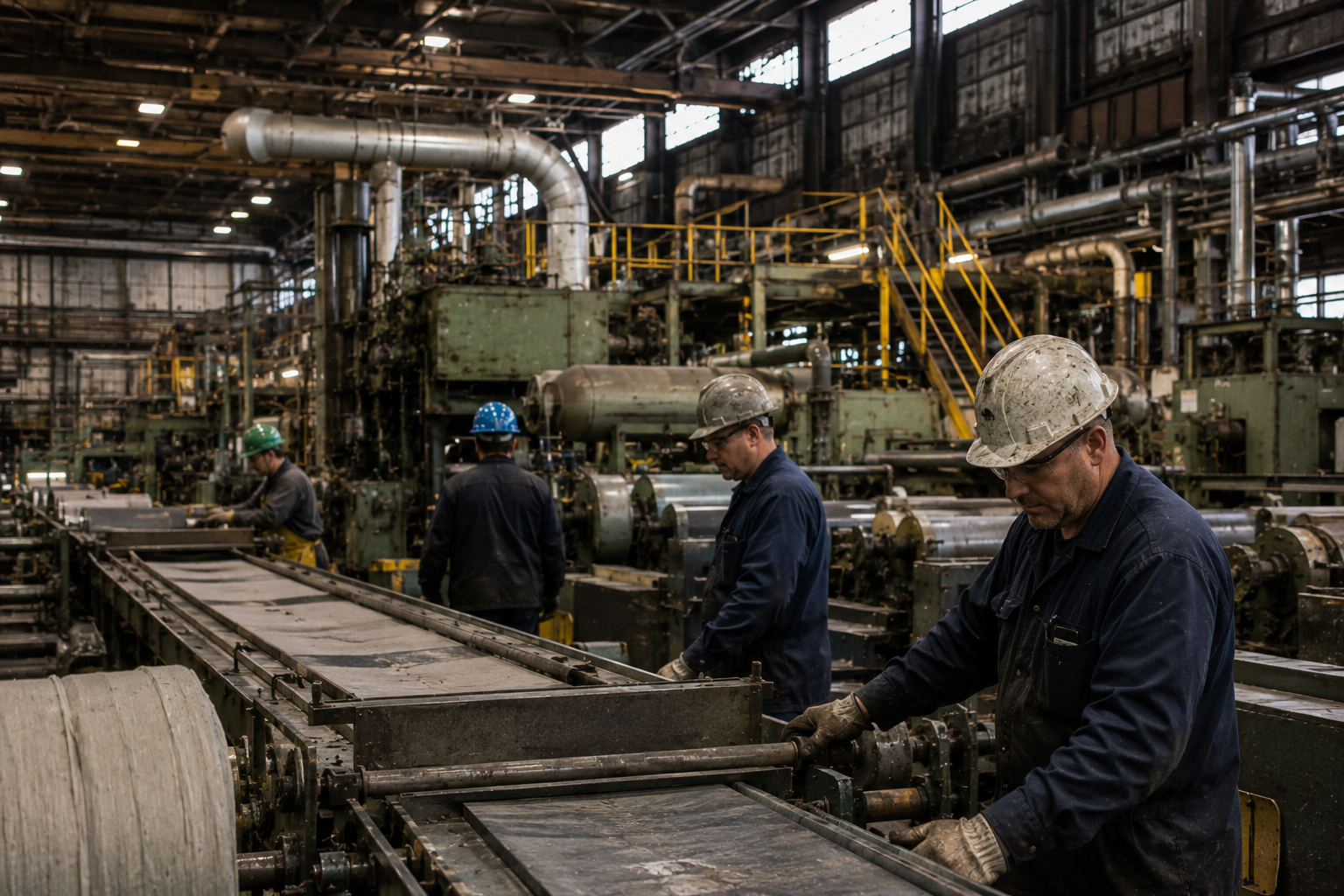
Outside New York City, many upstate regions historically supported manufacturing, paper production, chemical plants, power generation, rail facilities, foundries, machine shops, and other industrial operations. These settings may have used asbestos-containing insulation, gaskets, packing, brakes, refractory materials, fireproofing, boiler systems, and industrial equipment components.
Exposure histories may involve Buffalo, Rochester, Syracuse, Albany, Schenectady, Troy, Utica, Binghamton, Niagara Falls, and other industrial or manufacturing corridors. Workers in factories, mills, power plants, chemical facilities, and maintenance departments may have encountered asbestos during equipment repair, shutdowns, renovation, or demolition.
New York industries historically associated with asbestos
New York exposure history may include maritime work around New York Harbor; power generation in and around New York City and upstate communities; subway, rail, and transit work; construction and renovation of older high-rise buildings; hospital and school maintenance; public building operations; manufacturing; chemical processing; paper mills; and demolition of older buildings.
Workers may also have encountered asbestos through automotive brake and clutch work, elevator and mechanical-room work, roofing, floor tile removal, boiler maintenance, steam tunnel work, and older apartment or commercial building renovations.

Occupational and secondhand exposure in New York
Occupational exposure may have occurred when New York workers handled or worked near asbestos-containing materials. Jobs of interest can include shipyard workers, Navy personnel, transit workers, subway maintenance crews, power plant employees, pipefitters, insulators, welders, electricians, boiler workers, millwrights, mechanics, construction trades, demolition workers, custodians, and industrial laborers.
Secondhand exposure, also called take-home exposure, may have occurred when workers carried asbestos dust home on clothing, boots, hair, vehicles, tools, or laundry. Family members may have encountered fibers even if they never worked in an industrial facility.
Asbestos-containing materials commonly found in New York buildings and workplaces
- Pipe insulation, boiler insulation, and thermal system insulation
- Shipboard insulation, marine gaskets, packing, fireproofing, and engine-room materials
- Power plant turbine insulation, steam line insulation, and boiler materials
- Subway and rail maintenance materials, brakes, electrical components, and insulation
- Vinyl floor tile, sheet flooring, and black mastic adhesive
- Ceiling texture, plaster, drywall joint compound, and sprayed fireproofing
- Roofing materials, siding, cement board, and transite panels
- Industrial gaskets, pumps, valves, packing, and mechanical equipment
Mesothelioma, asbestosis, and other asbestos-related diseases
Asbestos exposure is associated with several serious diseases. Mesothelioma is a cancer of the mesothelium, the lining around certain organs. The most common form, pleural mesothelioma, affects the lining around the lungs. Asbestosis is a chronic lung disease involving scarring of lung tissue. Asbestos exposure is also associated with pleural plaques and an increased risk of lung cancer.
These diseases may take many years to develop after exposure. A person’s exposure history may include jobs, buildings, military service, shipyards, power plants, transit shops, construction work, or household exposure from decades earlier.
Educational Information
If you are trying to organize possible asbestos exposure history in New York, it may help to write down job sites, employers, dates, industries, products, ships, transit facilities, power plants, building materials, and whether any household exposure may have occurred.
Use the site’s educational resources to better understand asbestos exposure patterns, common materials, occupational settings, disease terminology, and state-specific resources.
Why New York Has Historically Experienced Significant Asbestos Exposure
New York has long been one of the nation’s most important centers for maritime commerce, ship repair, construction, high-rise commercial development, power generation, subway and rail transportation, manufacturing, hospitals, universities, and public infrastructure. Many facilities built before the 1980s relied heavily on asbestos-containing insulation, pipe coverings, boiler systems, gaskets, refractory materials, fireproofing products, floor tile, roofing, and mechanical equipment components.
Workers employed in shipyards, power stations, subway and rail maintenance shops, factories, chemical plants, public buildings, schools, hospitals, universities, construction trades, demolition work, and industrial maintenance may have encountered asbestos-containing materials during installation, maintenance, repair, renovation, demolition, or equipment replacement activities.
Major New York regions historically associated with asbestos exposure include New York City, Brooklyn, Queens, Staten Island, Long Island, Buffalo, Rochester, Syracuse, Albany, Schenectady, Troy, Niagara Falls, Utica, Binghamton, and other industrial, maritime, utility, manufacturing, and construction corridors.
Official New York Government and Medical Resources
Individuals seeking additional information about asbestos exposure, mesothelioma, occupational health, environmental regulations, worker safety, veterans resources, and medical treatment options in New York may find the following official resources helpful.
New York Health & Environmental Agencies
- New York State Department of Health
- New York State Department of Environmental Conservation (DEC)
- New York State Department of Labor Asbestos Control Bureau
- New York City Department of Environmental Protection Asbestos Information
New York Medical & Cancer Resources
- Memorial Sloan Kettering Cancer Center
- NYU Langone Perlmutter Cancer Center
- Mount Sinai Cancer Center
- Roswell Park Comprehensive Cancer Center
- Columbia University Herbert Irving Comprehensive Cancer Center
Worker Safety & Occupational Exposure Resources
Mesothelioma & Public Health Information
New York Veterans Resources
Reminder: This content is for general education only. MesotheliomaClaims.us is not a law firm, does not provide legal advice, and does not provide medical advice.